
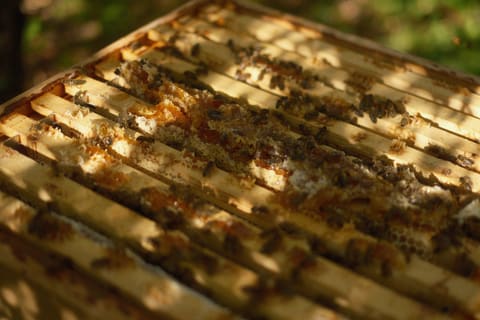
It's that time of year again. The hives are being got ready for winter, and they're due their oxalic acid vapour treatment for varroa. The clearing boards are in, I'll be taking the supers off tomorrow, and then the treatment goes on.
Something different this year
Normally the supers come off now and stay off until next year. This year I'm doing it differently. The supers will come off for the treatment, so nothing ends up in the honey, and then each hive gets one super back.
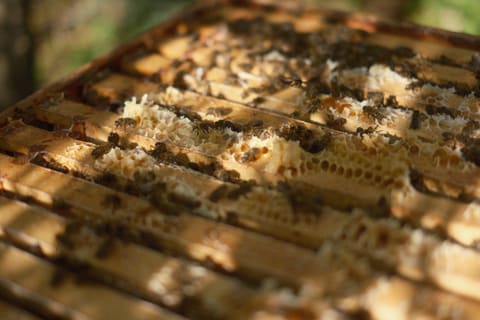
I've been letting the girls prepare for winter themselves and fill those supers with their own honey. The idea is that they go into winter on stores they made from their own forage, rather than on anything I give them.
Feeding through the winter
When I was a kid, I don't ever remember anyone feeding their bees through the winter, unless there was something wrong with the colony. These days it seems to be standard practice. I'd like to see how they get on when they're left to look after themselves, with a full super of their own honey sitting on top.
Slow to take the supers off
I'll admit I've been slow getting the supers off this year. The weather has been so good recently that it felt a shame to rush it. I think the girls are on the ivy, which is flowering all around the hives now and is the last big source of nectar and pollen before winter.
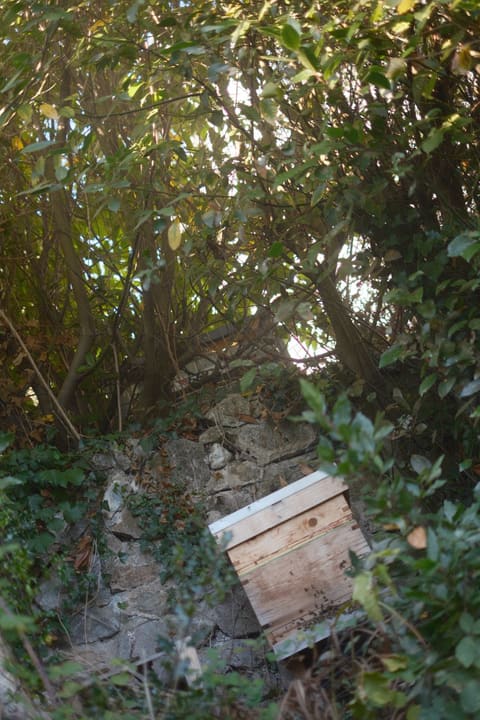
So the plan from here is simple: supers off tomorrow, treatment on, and then a super back on each hive for the winter. If you want to know more about varroa and the other winter jobs, Late September at the hives goes through them.